The Spiritual Implications of Brene Brown's TED Talk on Vulnerability
the spiritual implications of brene brown’s ted talk
…a look at vulnerability
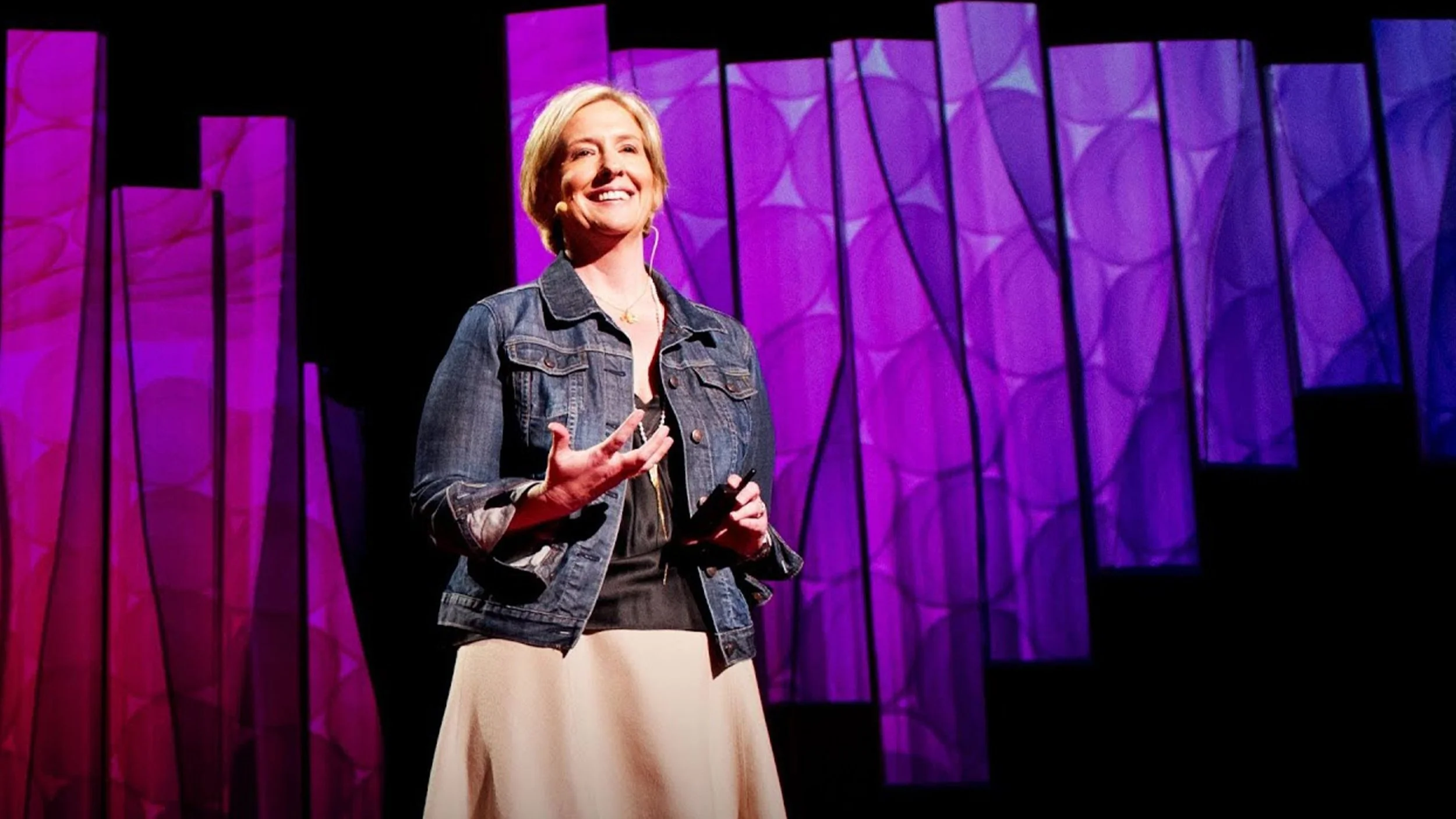
This past week I enjoyed watching two videos by author/researcher Brene Brown on the role of vulnerability and shame.
People downloaded her first TED talk nearly four million times and her new video is going viral as well. She has the rare ability to combine both personal story with interesting facts from her research.
It's amazing to me how there is always something new to learn about a subject. I've taught on shame now for several years but Brene Brown broadened my understanding and made some great connections for me on the importance of vulnerability in relationships.
Brene Brown on Vulnerability & Shame
Brown set up vulnerability as the antithesis to shame...shame being a desire to cover up and hide out of an overwhelming sense of unworthiness. Shame lives in the fear of not making connection with others. Shame says, "I'm afraid that if people know who I really am they will reject me." But vulnerability is the willingness to risk uncovering yourself in the hope of making connection.
Brene Brown on Vulnerability & Joy
Her "aha" research moment was learning that vulnerability is the birthplace of all joy and love. To find love and joy requires the risk of vulnerability. That's what makes connection to others possible. Without vulnerability you remain isolated and alone and aloneness is a painful place.
Connection, however, is what we long for. Brene Brown sees a continuum between shame and connection with vulnerability being the "dial" that you turn to move toward one or the other extreme. If you want more connection in your life you need to turn up your vulnerability.
Vulnerability & Spirituality
There are three spiritual implications that jump out at me as a result of listening to Brown’s talks.
1. I can risk vulnerability when I am convinced of God's unconditional love for me.
When I know that I am loved by God and valuable to him, then I am free to love others and fully connect with them. Just knowing the value of vulnerability doesn't help me. Connecting with others might not be worth the risk of exposure. But if I’m convinced of God’s love and full acceptance, then I can risk being vulnerable.
2. When God wanted to connect with humanity he "turned up the vulnerability dial".
God didn't create an outlandish, over-the-top miraculous event to wow us. He entered the world as another human and submitted himself to our inhumanity. The Bible says this about Jesus...
Who, being in very nature God, did not consider equality with God something to be grasped, but made himself nothing, taking the very nature of a servant, being made in human likeness. And being found in appearance as a man, he humbled himself and became obedient to death-- even death on a cross! Philippians 2:6-8
Brene Brown is right; the path to connection is by being vulnerable. Jesus showed us that. But you can only take that risk when you are fully convinced that if you are rejected you won't lose any value. God’s love gives us that assurance.
3. I connect with God through my weakness (vulnerability) not my strength.
So many people think that they have to get their act together to connect with God. They've got it wrong. It's coming to him in our weakness that allows him to reveal his unconditional love and acceptance to us. Our vulnerability with God creates a connection.
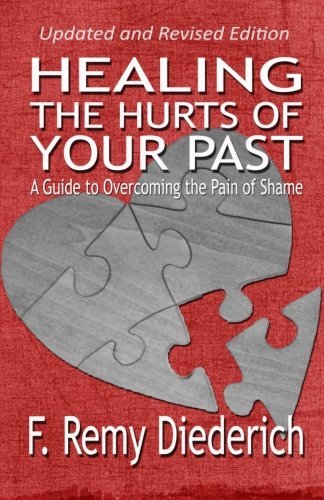
Learn more about shame and spirituality in my book, Healing the Hurts of Your Past… a guide to overcoming the pain of shame.
Question: What is it about being vulnerable that either intrigues you are scares you?
Subscribe to readingremy.com and you will receive the first chapter to my book STUCK...how to overcome anger and reclaim your life, and an occasional blog post.
Click the home page button above to discover all my books, blogs, videos, and coaching options to help you live a better life.