How To Recover From A Church Split

how to recover from a church split
…finding healing and a way forward
HOW TO RECOVER FROM A CHURCH SPLIT: FINDING HEALING AND A WAY FORWARD
I was recently invited to spend a weekend with a "remnant"—a group of 40 people left behind after a devastating church split. Two-thirds of their congregation had walked out, driven by concerns that their denomination was "too soft" on issues like LGBTQ+ inclusion and divorce.
In the wake of the exodus, families were torn apart and lifelong friendships were shattered. For those who left, "taking a stand" on moral issues was the priority. For those who stayed, the result was spiritual trauma and profound isolation.
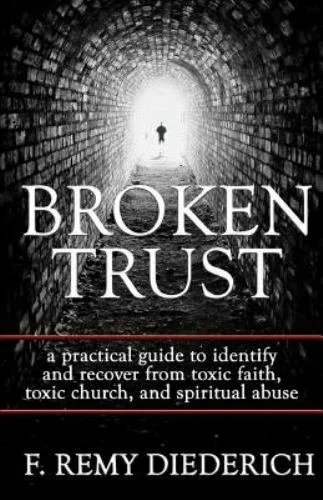
One of the church elders reached out after reading my book, Broken Trust, which deals with identifying toxic church cultures. He asked me to spend a weekend to help them understand what had happened and how to find a path toward recovering from their religious trauma. So I joined them for a series of meetings.
Here are the key principles we discussed for surviving the aftermath of a church split.
1. Prioritize Relationships Over Religious Rules
This remnant group tried desperately to reconcile with those who left. For them, staying together was more important than the "purity" of their specific dogmas. This was good to see because Jesus said that his followers would be known for their love, not their division.
The apostle Paul said that “the letter kills, but the Spirit gives life” 2 Corinthians 3:6, meaning that the letter of the law can do more damage than good.
And Jesus told a story from the Gospels that illustrates this perfectly:
When the Pharisees criticized Jesus’ disciples for picking grain on the Sabbath, Jesus responded with a stunning truth:
“The Sabbath was made for man, not man for the Sabbath.” Mark 2:27
Jesus wasn't taking the Commandments lightly; He was putting them in perspective.
Rules were meant to be a gift to free us from a crushing work week, not a weight to crush us.
When "keeping the rules" results in the destruction of families and the shaming of brothers and sisters, we have moved away from the heart of God.
2. Realize that Greatness Often Lies on the Other Side of Pain
A church split is exhausting and demoralizing. To help the group process this, we looked at how God uses "the wilderness" to develop character and to use us to help others.
Moses: He needed 40 years in the wilderness to become the leader capable of the Exodus.
Jacob: His greatest blessings ultimately came through Leah—the wife he didn't choose.
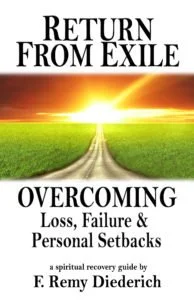
The life you didn’t want—this "exile" from your former church community—might be the very place where God does His deepest work in you. In my book, Return from Exile, I explore how these seasons of loss (exile) are often where our greatest spiritual growth occurs.
3. Acknowledge the "Death" of What Was
A church split isn't just a change in Sunday morning attendance; it is a series of profound losses:
Loss of friendships and family connections.
Loss of routine and spiritual safety.
Loss of faith in church leadership…maybe even God.
These losses must be grieved.
Healing follows a natural path through denial, anger, bargaining, and depression. However, to reach acceptance, it’s necessary to acknowledge that a "death" has occurred. The church you once knew is gone. You can’t return to "normal," but you can walk forward through the door and into the "new thing" that God has for you.
Healing begins when you believe that life can be good again, even if it looks different.
4. Allow for Different Paces of Grief
My biggest concern for the remnant group is that they might fall apart because they may not grieve at the same speed.
The "Fast" Grievers: Are ready to move on and may judge others as "stuck in the past."
The "Slow" Grievers: Are still processing the pain and may view the others as callous or disrespectful of the damage done.
The Apostle Paul appealed to this exact dynamic in Romans 15:
"We who are strong ought to bear with the failings of the weak and not to please ourselves... Accept one another, then, just as Christ accepted you."
Accepting the various speeds of grieving would show how well they loved one another.
5. Tell a Better Story
Too often, people let a church split define them negatively. They start to view God through the lens of the people who hurt them. But God didn’t hurt the church. Misguided people did. God is the God of resurrection. He can bring new life to a pile of ashes.
This group was concerned that they were too small to survive, let alone be a blessing to others. But I cautioned them not to judge their fellowship by how many people were in the pews. Judge it by how well they love one another and those that come to visit.
Before I left this church, I encouraged them to know that they had a unique "gift"—the eyes of empathy. They were now uniquely qualified to serve other "wounded refugees" from legalistic backgrounds.
If you have suffered from a church split, trust that your heart has been expanded by this pain and God can use it for good.
Are You Stuck in the Aftermath of a Church Split?
If you or your church is currently suffering and you are looking for a way to survive, I would love to connect with you. God never wastes our pain if we bring it to Him.
Take the next step in your healing journey:
Email me:remy@readingremy.com
Explore the "Overcoming" Series:
Broken Trust– Healing from toxic faith.
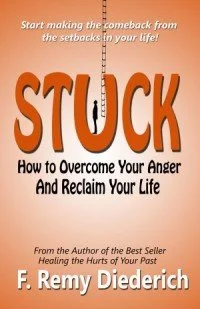
STUCK– Overcoming anger and reclaiming your life through forgiveness.
Return from Exile – Finding hope after personal setbacks.
Subscribe to readingremy.com and you will receive the first chapter to my book STUCK...how to overcome anger and reclaim your life, and an occasional blog post.
Click the home page button above to discover all my books, blogs, videos, and coaching options to help you live a better life.