The hidden Danger of Reframing Your Pain too Soon

The hidden danger of Reframing your pain too soon
…remember: grief first, reframing second
The Hidden Danger of Reframing Your Pain Too Soon
“Confessing that you are an “Overcomer in Christ” might sound confident and spiritual but it can hurt you if you don’t work through the pain and grief of the loss first.”
When you’ve been deeply hurt, forgiveness feels almost impossible.
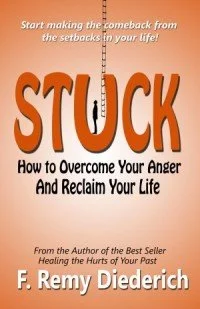
In my book, STUCK: How to Overcome Your Anger and Reclaim Your Life, I walk readers through a practical, biblical process to forgive an offender.
One powerful strategy to help you forgive a deep wound that I mention in the book is reframing: learning to see what happened to you through a new lens or perspective.
In general, reframing is a great tool. However, reframing can have a negative effect if it’s done incorrectly or too quickly.
Let's look at the pros and cons of reframing an offense.
The Pros of Reframing an Offense
Reframing allows you to step out of the pain of the moment and see your situation from a healthier vantage point. In STUCK, I outline three main ways reframing can help move you toward forgiveness:
1. Reframing the Offender
This happens when you look at the person who hurt you and say, "What they did was wrong, but given similar circumstances or background, I'm capable of making the same mistake." This doesn't excuse their behavior; rather, it requires personal humility and empathy, which loosens the tight grip anger has on your heart.
2. Reframing the Outcome
Reframing the outcome means rising to a "30,000-foot view" of your life. From up there, the offense is just one chapter in a much larger story. Through the eyes of faith, you can trust that God is capable of taking even bad events and working them for good (Romans 8:28). Over time, you might even spot a "silver lining”… a way God brought unexpected growth out of your loss.
Reframing the outcome also means checking whether your expectations were realistic. For instance, if you are angry that a loved one passed away from cancer in their sixties, compare that anger to your baseline expectation for life. We often carry an unexamined belief that everyone should live to be 100 and die peacefully in their sleep. Realizing that this expectation isn't always realistic helps release your resentment toward the loss or God.
3. Reframing Your Identity
When we struggle with low self-worth, we tend to view ourselves primarily as victims. When an offense occurs, it confirms our feelings of unworthiness and fuels deep resentment. But when we reframe our identity around who God says we are: valuable people created in His image and empowered by His Spirit…we can rise above the offense without letting it define us. Our identity comes from being God’s loved child, not by the wrong that was done to us or what our offender thinks of us.
The Cons of Reframing an offense
Those are the benefits of reframing a loss. So, what could possibly be harmful about reframing?
If you reframe an offense too quickly, it leads to premature forgiveness.
When you jump straight to "looking on the bright side" or finding the silver lining, you risk glossing over what actually happened. You minimize your pain and ignore the true weight of the loss you suffered.
This is especially tempting for Christians. It’s easy to spiritualize your situation by quoting scriptures that you haven’t actually realized in your life yet. Confessing that you are an “Overcomer in Christ” might sound confident and spiritual but it can hurt you if you don’t work through the pain and grief of the loss first.
Short-circuiting your grief prevents genuine healing. When pain is stuffed down or brushed aside with forced positivity, it doesn't disappear…it gets buried alive and eventually comes out sideways later in life through anxiety, sudden outbursts, or depression.
Before you take steps to reframe an offense:
Slow down and validate your pain. Acknowledge the full impact the offense had on your life.
Name the losses. What did this hurt cost you (trust, respect, control, safety, time, a relationship)?
Examine the lies. What false beliefs did the offense tempt you to believe about yourself (e.g., "I must not be worthy of respect" or "I am unsafe")?
Reframing is a powerful stage in the forgiveness process, but it must come after you have honestly acknowledged the weight of your hurt.
Need Help Getting Un-Stuck From Anger?
If you're carrying deep hurt and struggling to let it go, you don't have to navigate it alone. My book, STUCK: How to Overcome Your Anger and Reclaim Your Life, provides a compassionate, biblical roadmap to help you process your pain, genuinely forgive, and reclaim your peace.
👉 Learn more about STUCK and download a free sample chapter here.